Author: midlifesnowbird

International Snowbirds: Ten Considerations

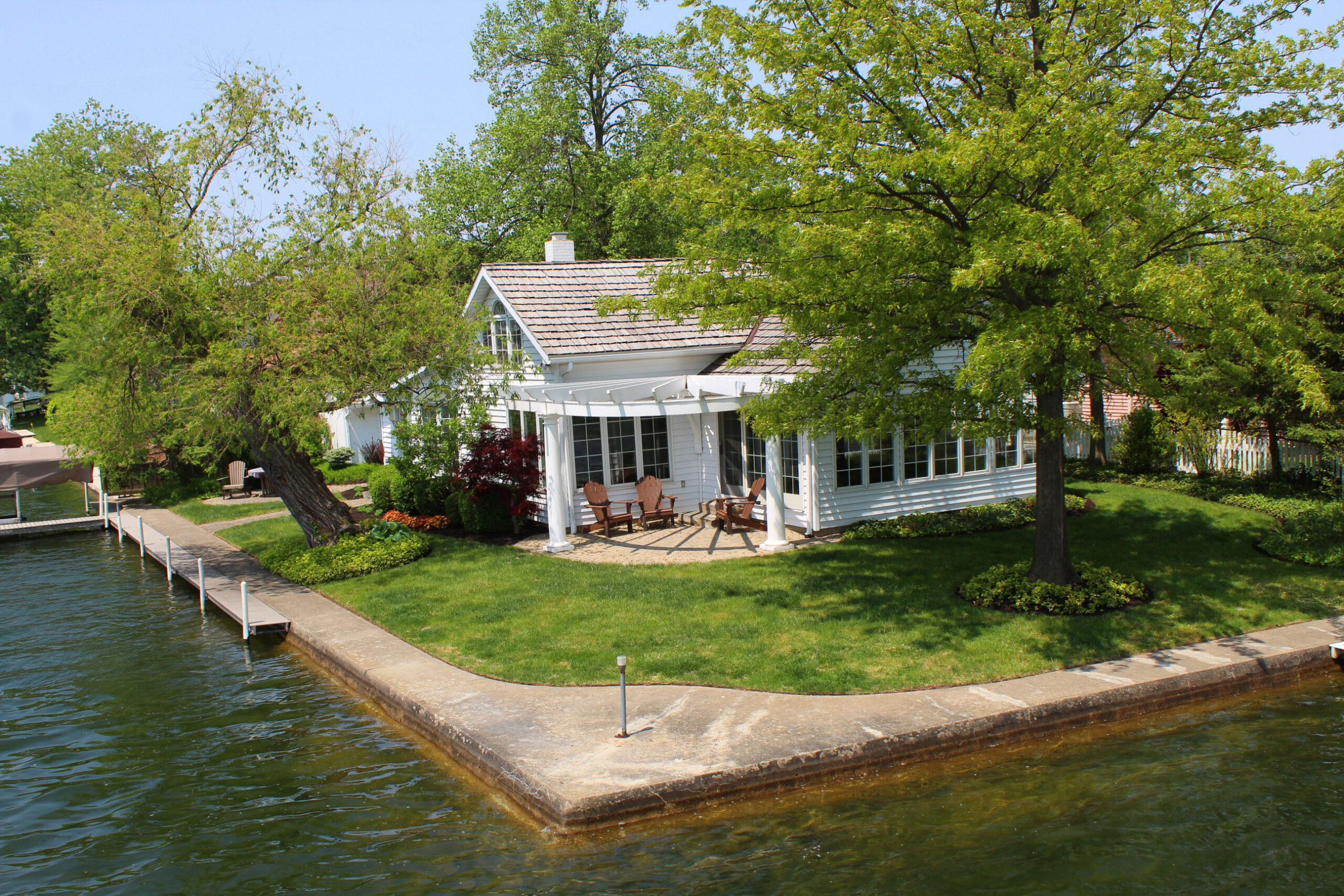
Seeking paradise in another country requires much thought and honest evaluation International Snowbirds Ten Considerations of Snowbirds in Foreign Countries The inspiration for this post are the numerous TV shows featuring international travelers who purchase property in another country. You know the ones: ex-pats who 

Three Housing Options: Rental, Own or RV?

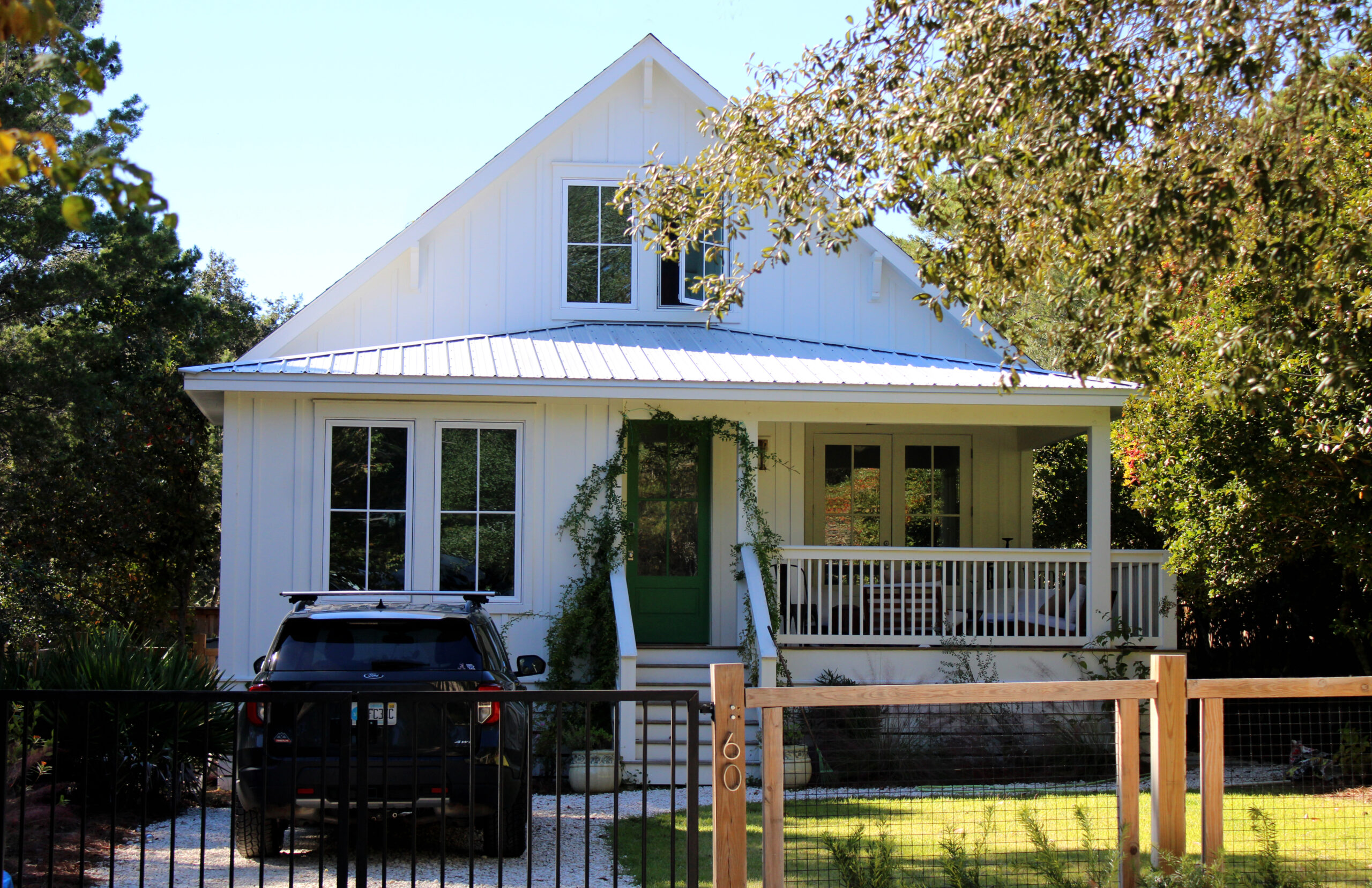
[Santa Rosa Beach, Florida near Point Washington] Three Housing Options: Rental, Own or RV? Firsthand Real Life Briefs from a Popular Web Thread Housing has been and always will be the biggest consideration as well as expense of the snowbird lifestyle. Housing choices dramatically affect 

Extended Season Snowbirds

0_6974 Spring_Break_2026 - cp
Extended season snowbirds, as I call them, remain as the spring breakers arrive [Pictured: Pompano Joe's in Miramar Beach, Florida]

Extended Season Snowbirds

How Everything Changes After the First Week of March


For snowbirds who wonder what goes on in their warm weather community after heading home, I can tell you, a lot! There's a huge shift that namely includes much more noise, bigger crowds and a higher activity level. Along with that comes a lot more involvement from local law enforcement to keep it all together. Traffic accidents, petty crime and under-age consumption are just a few of the issues they deal with.

Personally, I admit to "FOMO" -- fear of missing out. If I'm at the beach, I wonder what I'm missing at home. If I'm at home, I feel I should be at the beach. Even when I'm on our balcony looking at the beach, I think I should get out more and walk over to enjoy the beach. It's endless.  

As of this year, I've spent two of the first ten years of being a snowbird at our beach community during a portion of spring break. My spring break FOMO is now officially cured because I have experienced the major shift more than once and it's simply not the same, nor should it be. I can say with confidence that I prefer the serenity of the snowbird community.


When is the Typical Snowbird Season?

Typical snowbirds arrive in my southern beach community after the December and New Year's holidays and depart by March first. Rental prices are a huge factor.

Yet, there are many snowbirds who go south at the end of October and stay until the end of April or sometime in May. However, unless you own your warm weather property that is free of a mortgage, the rental costs for a six to seven month stay can be staggering. It's enough to make your head spin. In the best case scenario, you may find a very modest or tiny place that is not located near features such as a pond, lake, ocean or mountain. The temperature is not likely to be especially warm and the cost will likely be a few thousand a month in the winter season, which is the cheapest time to be a snowbird in the areas without the warmest weather.

When March and April arrive, prime rentals must dramatically increase the rate in the spring season to cover costs. March rates frequently spike in desirable locations as spring breakers arrive and snowbirds are priced out. If a snowbird is paying about $4,000 a month for two months, such as January and February, then March rates for the same place will usually climb to $6,500+. I don't know of many snowbirds who are fine with paying a rate of $8,000 plus another $6,500 (not including fees, taxes, etc) for three months in their warm weather community.

Spring breakers expect to pay a rental rate of at least $1,600+ per week for a decent one or two bedroom property with a view in a popular area. Snowbirds don't typically rent the large multi-bedroom shore homes, but if there's any nearby, they will be filled with young adults on spring break. Peak spring break weeks cost more and that's what motivates the snowbirds to head home.


How the Spring Breakers are Different than Snowbirds

The most obvious difference is the age gap of young adults vacationing in the spring season compared to snowbirds who are typically in their 50's up to about mid-eighties.

During early and mid-March, it's primarily university and college students on break. Families with school age children usually arrive later in the spring season.

Young adults are there to have fun and they definitely do. They are known for their paddleboards, boogie boards and oversized inflatables bobbing around in the water; the latest amplified music coming from their sound systems as well as party games that can be set up just about anywhere, usually involving a ball or beanbag, and, of course, beverages.

Young university people on break traverse the sidewalks walking in groups of four or more. Motorized rentals are popular, especially e-bikes and street legal golf carts, known as LSV's (low speed vehicles). Families and students alike love golf carts, especially the ones that accommodate more than six people.

Another trait of young adults at the beach is the popularity of wearing swim attire that exposes the back portion of the buttocks, known as a Brazilian bikini. Coverups are uncommon. Basically, anything goes and that includes when walking on the sidewalks and other public places.

Spring breakers don't bring pets with them and it would be completely out of the ordinary if they make eye contact or greet a stranger like the snowbirds do. An exception might be if they encounter a snowbird walking their dog and in the process, they might ask where to find a particular place, such as a fun, beachy dive or sports bar.

At sunset, the young people emerge in flowing sun dresses and beach attire for selfies and group photos. They stay out late and can be heard walking or driving back to their rental late in the evening.

Snowbirds walk solo or in pairs, often with their dog/s. They may be accompanied by a spouse or friend, but rarely are they out and about in any sort of a group.

Snowbirds usually drive their vehicles to get around since it's not practical to rent or park a golf cart for an extended stay. I've never seen a snowbird on an e-bike, but some ride traditional bikes. Noise is not a problem because snowbirds don't typically amplify their music or host nightly parties. They do host sports event parties such as national professional finale games.

In the evenings, snowbirds in my community informally congregate on the beach overlook to watch the sunset and enjoy a beverage. After the sun goes down, snowbirds are in for the night. No one is on the sidewalks after dark, which is fairly early in the winter months. No one dresses up and takes sunset selfies unless it's for rare occasions such as professional portrait photos.

Both snowbirds and spring breakers take advantage of local drink specials, such as hungry/happy hour. Snowbirds know which restaurants offer "two for one" dinners. This used to be known as the "early bird" specials. Spring breakers know where to get a discount on burgers on certain nights of the week, such as Mondays.

My husband and I enjoyed a beachfront hungry hour special the last afternoon of our stay and were surrounded by tables of young collegiates. Our waiter told us how nice it was to "talk to adults," which made me smile. I agree, it's great! I've not thought about it before, but it's nice to be around your peers, whether a snowbird or spring breaker.


Extended Season Snowbirds

This year, personal circumstances caused us to delay our departure until mid-March. I met arriving "extended season" snowbirds who prefer to be in our Northwest Florida community when the weather is much better compared to January and February. However, as I already mentioned, the rental rates for four weeks in March or April are a lot higher than January/February.

The snowbird I met said he's looking for a less expensive place for next year. He and his wife and dog have a spacious, beautifully decorated three bedroom, two bath unit with a side view of the gulf. The cost this year is nearly $10,000. He asked if I know of smaller units to consider. I do, but with the smaller unit is a huge adjustment to the smaller space.

I know other snowbirds who spent the winter in our condo complex and stayed beyond the first week of March. One is a retired veterinarian from Minnesota, so it is not a surprise he and his spouse are waiting until mid-April to return home with their dog. I'm curious of his feedback regarding his experience before and after the others have left. I'll have to wait a year to find out.

One by one as each of my snowbird friends departed to go home, it became harder on me being the one left behind. I didn't necessarily want to go home because of it, but I didn't want anything to change either. Life as I knew and I liked it was gone for another year. It's not easy to accept that it will be a long time before we are together again. Not everyone is able to return, even if they want to. I try to focus on making plans for when I'm home and making new friends, as well as renewing previous friendships upon returning to our beloved community next winter.


"No matter how painful that ending may or may not be, things have to end for a new beginning to form.”

-- Unknown


DISCLAIMER

The information contained in this website is for general information purposes only. We make no representations or warranties of any kind, express or implied, about the completeness, accuracy, reliability, suitability or availability with respect to the website or the information, products, services, or related graphics contained on the website for any purpose. Any reliance you place on such information is therefore strictly at your own risk.

In no event will we be liable for any loss or damage including without limitation, indirect or consequential loss or damage, or any loss or damage whatsoever arising from or in connection with, the use of this website.

Through this website you are able to link to other websites which are not under the control of Midlife Snowbird. We have no control over the nature, content and availability of those sites. The inclusion of any links or advertisements does not necessarily imply a recommendation or endorse the views expressed within them.

Low, Mid and High Rise Buildings

Low, Mid and High Rise Buildings A Look at Three Very Different Snowbird Housing Options Definition of Low Rise Building Merriam-Webster Dictionary: Having few stories and not usually equipped with elevators Mid Rise Building American Heritage Dictionary: Relating to or being a building of moderate 

Ten Years of Snowbirds – Now Vs Then

A great view of the beach and gulf has never waivered as our top priority for our snowbird residence Ten Years of Snowbirds – Now Vs Then A Look Back at Our First Decade of Being Snowbirds The first year we became snowbirds, it was 

How to Solve Your Live Plants Dilemma

0_8552 Irrigation_System

How to Solve Your Live Plants Dilemma

Set Up a Self Watering Irrigation System


Definition of Dilemma:

"A situation in which one has to choose between two or more... plans that are equally unsatisfactory: a difficult choice."

Source: https://www.merriam-webster.com/dictionary/dilemma


To have live plants at home or not is a huge dilemma for many snowbirds, including myself. I have a collection of a dozen beautiful orchids that bloom twice a year, two leafy green tropical palms, plus a large self-sufficient Chinese yew that is fine with low light and low water.

Despite all of the fantastic benefits of live plants, it's tempting to permanently rehome all of them. I don't want to impose on someone to care for my plants while away for the winter. We have a neighbor who handles many issues while we are gone, but asking someone to care for live plants, even in the most minimal way is a bit much. First of all, they have to leave their home, travel or trudge over to my home -- usually when it's very cold -- gain entry access, figure out which plants need light, medium or high volume of water, then execute and return again in a week or two. Even if they get paid, it's more than likely not enough for the trouble.  

For several years, a family member cared for my orchids and she seemed fine with it, especially because we delivered them and then picked them up from her home in our same city. She also had orchids and it really wasn't a big deal to take on a few more. For her, it was a great reason to receive two extra visits from my husband and we've always helped her in many ways throughout the year. It was a reciprocal arrangement. However, one year everything changed. The family member no longer seemed to be OK with plant sitting. We returned to find many of my orchids had dried out. No explanation, no apology, just "here you go."  Apparently there was an issue, so I quit asking for help. I can take a hint.

The next several years my plants floundered while I was away. It's not that no one looked after them, but it was hit and miss for their care. If someone happened to stop in for something else, then they would possibly get water, otherwise they were on their own.

Recently, my Arizona cousin, Craig, shared his late grandmother's experience with plants while she wintered in Florida. I was eager to learn from Craig's grandma because I know many of her generation are and were very resourceful in many areas. Essentially, she created a terrarium for each potted plant with a large, clear plastic bag sealing the moist soil. Some of her smaller plants may have been entirely encased in plastic. By moving the plants out of direct sunlight, watering heavily before departing, then sealing the moisture, her plants were able to survive on their own for quite awhile. It's highly likely Craig's grandma also had an arsenal of additional tricks such as using moisture control potting soil and some of the glass bulbs that are filled with water, then inverted into the soil. She may also have had someone stop to check on them once in awhile, but they were largely on their own.

I love the idea of making terrariums, but decided to go one step further. Why not look into an indoor irrigation system? I had a few weeks to research, purchase and practice with the new product. I found that most hobby indoor watering systems are sold online rather than in an actual retail store. I selected a system with good reviews, decent quality construction and a reasonable price of slightly less than $50. The product included a dual powered water pump with timer, clear plastic tubing, couplers and drippers. It did not, however, include information about how to troubleshoot any problems and that applies to online or printed information.

When my irrigation system arrived, I didn't waste any time before setting it up. Off to a good start, or so I thought! I tested the manual mode and it was as expected. Now, to set up and test the auto mode. I programmed the number of seconds for water to flow into the tubing. At least 30 seconds is needed to fill the tubes and flow into all eight orchids. However, don't do what I did next. I set up the number of days between watering to two. This would allow me to monitor and adjust. Right? Wrong.

I became distracted with holiday preparations, then a multi-day visit from my sister, the actual holidays and by the time all of that took place, I realized there never was not even one successful automatic test. Only the manual mode was successful. As more time went by and still no success, I started to panic that my system either was non-functional in auto mode or I was committing user error. Or both. I could not get auto mode to function despite reading reviews, re-reading the manual for the tenth time and much trial and error.

Finally, with just a few days before departure, I successfully ran the automatic watering mode for my new system. I would have preferred to run tests with days rather than hours in between, but I'm confident that the new irrigation system is a great match for what I need while away. Although not fool proof, it's the next best thing and I'm super pleased to give it a try.


Highlights of the System I Purchased 

  • Vacation-Proof Plant Care — Never Overwater or Underwater Again! Includes water pump, timer, tubing, and drippers to deliver precise hydration for up to 20 plants. Set your schedule (daily/weekly) and let the system handle the rest — perfect for busy lifestyles or month-long trips. Keep your plants thriving, not just surviving!
  • Dual Pump Power: Water Small Succulents & Large Ferns Simultaneously! Customize each pump’s schedule and flow rate for different plant needs. Double the water flow ensures even coverage for mixed collections. Ideal for balcony herbs, living room palms, or office succulents — no more juggling multiple devices!
  • Dual Power Options: USB-C or Batteries = Zero Interruptions! Run it via USB-C (included) or 4xAA batteries (emergency backup). Bonus: Batteries auto-activate during power outages — your plants stay hydrated even if your WiFi doesn’t!
  • Use ANY Container as a Water Tank — No More Daily Refills! Plug-and-play setup: Drop the intake hose into a vase, bucket, or even your kitchen sink. Pro tip: A 5-gallon jug = 3 weeks of hands-off watering!
  • Leak-Proof Guarantee: No More Wet Floors! Patented T-connectors and self-locking tubes withstand high pressure. Adjust drippers from trickle to stream in seconds. Order today and free up your watering time.


Source: Amazon.com


"There are no gardening mistakes, only experiments.”

-- Janet Kilburn Phillips, English Gardener


DISCLAIMER

The information contained in this website is for general information purposes only. We make no representations or warranties of any kind, express or implied, about the completeness, accuracy, reliability, suitability or availability with respect to the website or the information, products, services, or related graphics contained on the website for any purpose. Any reliance you place on such information is therefore strictly at your own risk.

In no event will we be liable for any loss or damage including without limitation, indirect or consequential loss or damage, or any loss or damage whatsoever arising from or in connection with, the use of this website.

Through this website you are able to link to other websites which are not under the control of Midlife Snowbird. We have no control over the nature, content and availability of those sites. The inclusion of any links or advertisements does not necessarily imply a recommendation or endorse the views expressed within them.


DISCLAIMER

The information contained in this website is for general information purposes only. We make no representations or warranties of any kind, express or implied, about the completeness, accuracy, reliability, suitability or availability with respect to the website or the information, products, services, or related graphics contained on the website for any purpose. Any reliance you place on such information is therefore strictly at your own risk.

In no event will we be liable for any loss or damage including without limitation, indirect or consequential loss or damage, or any loss or damage whatsoever arising from or in connection with, the use of this website.

Through this website you are able to link to other websites which are not under the control of Midlife Snowbird. We have no control over the nature, content and availability of those sites. The inclusion of any links or advertisements does not necessarily imply a recommendation or endorse the views expressed within them.

Simple Ways to Add Holiday Sparkle to Your Snowbird Home

Easy Ways to Add Holiday Sparkle to Your Snowbird Home Keep it Simple, Make it Special, Showcase your Local Environment Years ago Midwestern friends visited us while they were in our southern city for Thanksgiving. My friend asked if I planned to decorate for the 

Your Travel Dream is Not Mine (and Vice Versa)

Your Travel Dream is Not Mine (and Vice Versa) How I Finally Handled A Decade Long Hot Button For the past twelve years, a single hot button question has plagued me. It comes up almost every time I encounter someone who is familiar with both 

The Lilly Mansion: Summer Tour of a Historical Midwestern Home

The Lilly Mansion

Summer Tour of the Historical Midwestern French Inspired Home


The summer off-season is the perfect opportunity to explore gems closer to your primary home. I love checking out the places that are right in my own backyard as they say. The unique history that is exclusively found in areas that you simply just need to take a look. When my sister came home from Hawaii this summer, we toured three historical Indiana homes, including the Lilly mansion which is the residence of descendants of the pharmaceutical pioneer, Eli Lilly. Not only is it super memorable, it's extra special because we did it together.


The Lilly Mansion, Indianapolis, Indiana

A gorgeous, French-inspired 22 room mansion, the Lilly home was constructed in 1912 by the original owner, Hugh McKennan Landon who hired architect Lewis Ketcham to bring his vision to life.

Josiah K. Lilly, Jr., grandson of Eli Lilly, purchased the 20th Century estate property in 1932, expanded it to 56 acres and the Lilly's lived there until the 1960's. The historical home is preserved in the 1930's era and it is stunning. Self-guided tours are included with general admission to the Indianapolis Museum of Art, which was founded by Mrs. Ruth Lilly. It is well worth the time to visit, it's an amazing home with beautiful formal gardens that overlook the White River.

Come with me on a historical and photographic tour of the Lilly Mansion, you won't be disappointed.


What to Know About The Lilly Mansion

Officially designated a US National Historic Landmark District in 2003, the 20th Century French Chateauesque Lilly Mansion and Gardens are located on the near Northwest side of Indianapolis, Indiana at 4000 North Michigan Road.

From 1909 to 1913, Hugh McKennan Landon developed the estate and home, also known as Oldfields, on a tract of land that was part of the town of Woodstock, a suburban Indianapolis neighborhood.

Originally 52 acres, the property is now 26 acres located adjacent to the White River and massive historic 555 acre Crown Hill Cemetery, which was established in 1863 at Strawberry Hill. A high point summit known as "The Crown," overlooks the city of Indianapolis. Crown Hill Cemetery is the third largest non-government cemetery in the United States.

The Lilly Mansion and Gardens are best visited in the warmer months of the year when the gardens are green and blooming.

The Colonel Eli Lilly Family Dates to the 19th Century

Colonel Eli Lilly (1838 - 1898) made his fortune developing pharmaceuticals and marketing them wholesale to pharmacies. Lilly founded his namesake company in 1876 in Indianapolis, Indiana and it eventually became a pharmaceutical giant, which is now a billion dollar enterprise. A self-made man, Colonel Lilly made two significant advances in the early development manufacturing medicinal drugs and later pioneered quality manufacturing assurances. Colonel Lilly was one of the first manufacturers to create a staffed, dedicated research department within his manufacturing company.

Colonel Lilly pioneered the concept of creating prescriptions for dangerous and/or addictive medicine that would only be dispensed by pharmacies after a patient had been seen by a medical doctor.

He was a longtime advocate for federal regulation of the pharmaceutical industry. In 1906 many of the Colonel's reforms were enacted into law, which lead to the creation of the United States' Food and Drug Administration (FDA).

Colonel Eli Lilly married Emily Lemon in 1861 and they had a son, Josiah Kirby Lilly (also known as JK Lilly Sr., 1861 - 1948). JK Lilly Sr. is regarded as an American businessman, pharmaceutical industrialist, and philanthropist who served as president and chairman of the board of Eli Lilly and Company, the pharmaceutical company that his father, Colonel Eli Lilly, founded.

When Colonel Eli Lilly's wife, Emily passed, he remarried. Maria Cynthia Sloane Lilly (1849 - 1932) gave birth to their only child, Eleanor Wallace Lilly (1870 - 1884), who died of diphtheria as a young teen. She is buried in Crown Hill Cemetery in Indianapolis, Indiana.

In 1882, Josiah Kirby Lilly Sr. (J.K. Lilly Sr.) married Lilly Marie Ridgely (1862 - 1934) and they produced two children, Eli Lilly II (1885 - 1977) and Josiah K. Lilly Jr. (1893 - 1966). Lilly Marie Ridgely Lilly passed away at Methodist Hospital in Indianapolis, Indiana in 1934. Josiah Kirby Lilly Sr. then married a widow, Lila Allison Humes (1884 - 1971) in 1935 and there were no marital children. Her first husband was Dr. Charles Dolph Humes (1882 - 1932, m. 1908). JK Lilly Sr. and both of his wives are buried in Crown Hill Cemetery in Indianapolis, Indiana.

Eli Lilly II  formally met Evelyn Fortune (1887 - 1997) at Lake Wawasee in Northern Indiana where their two families vacationed in the summers. At the lake, Mr. Lilly enjoyed swimming, hiking, fishing and sailing. He proposed to Ms. Fortune in 1906 and they were married in August, 1907. They had three children born in 1908, 1910 and 1918. The first born were sons, both named Eli--who died in the first year of life. Their daughter, Evelyn, whom they called Evie, died childless in 1970.

Eli Lilly II divorced Evelyn in 1926, accusing her of being too strong and independent, blaming her for the death of their sons and accusing her of being affectionless. The judge presiding over the divorce awarded Ms. Fortune $300,000 in cash, a car and the marital home located at 1239 N. Delaware Street in downtown Indianapolis. The judge also awarded Ms. Fortune custody of the couple’s eight-year-old daughter Evie. Ms. Fortune and her daughter began a new life on the East Coast after the divorce. In 1927 Eli Lilly II married Ruth Allison. They did not have children.

Josiah Kirby Lilly Jr. (JK Lilly Jr.) married Ruth Marie Brinkmeyer in 1914 and they had two children: Ruth Lilly (1915 - 2009) and Josiah Kirby Lilly III (1916 - 1995). JK Lilly Jr. purchased what became known as the Lilly estate in 1932.

In 1941 Ruth Lilly married Guernsey Van Riper; however, they divorced in 1981 with no children.

Josiah Kirby Lilly III married Jean K. Heller in 1938 and they had three children. In 1946 Josiah Kirby Lilly III married Josephine Mohan and they had three children. J.K. Lilly III married Margaret Corsini in 1989 and they had no children.


Public Spaces

In addition to the walkable areas of Oldfields, self guided tours of the formal gardens are available to visitors. The mansion is available for tours of the first floor and part of the garage area on the lower level. Eight rooms including the great hall, drawing room, game room, sunroom, dining room, loggia, butler's pantry and kitchen and library are fully furnished in period pieces of the 1930's era.

Children and adults are welcome for indoor tours during operating hours. Strollers must be parked outdoors and photography is permitted with non-professional camera equipment.

"Take what you find here and make it better and better.”

-- Colonel Eli Lilly, American Union Army officer, pharmacist chemist, and businessman who founded Eli Lilly and Company Pharmaceuticals, 1838 - 1898


DISCLAIMER

The information contained in this website is for general information purposes only. We make no representations or warranties of any kind, express or implied, about the completeness, accuracy, reliability, suitability or availability with respect to the website or the information, products, services, or related graphics contained on the website for any purpose. Any reliance you place on such information is therefore strictly at your own risk.

In no event will we be liable for any loss or damage including without limitation, indirect or consequential loss or damage, or any loss or damage whatsoever arising from or in connection with, the use of this website.

Through this website you are able to link to other websites which are not under the control of Midlife Snowbird. We have no control over the nature, content and availability of those sites. The inclusion of any links or advertisements does not necessarily imply a recommendation or endorse the views expressed within them.


DISCLAIMER

The information contained in this website is for general information purposes only. We make no representations or warranties of any kind, express or implied, about the completeness, accuracy, reliability, suitability or availability with respect to the website or the information, products, services, or related graphics contained on the website for any purpose. Any reliance you place on such information is therefore strictly at your own risk.

In no event will we be liable for any loss or damage including without limitation, indirect or consequential loss or damage, or any loss or damage whatsoever arising from or in connection with, the use of this website.

Through this website you are able to link to other websites which are not under the control of Midlife Snowbird. We have no control over the nature, content and availability of those sites. The inclusion of any links or advertisements does not necessarily imply a recommendation or endorse the views expressed within them.

Creative Vehicle Options for Snowbirds

Seville Quarter, downtown Pensacola, Florida Creative Vehicle Options for Snowbirds Car sharing and multi-month leases As snowbirds age, transportation to and from their winter communities is increasingly a concern. Perhaps a solo or snowbird couple want to fly to their destination, but aren’t aware of