Deadly Sago palms are extremely toxic to both humans and pets, yet they are commonly planted right next to busy paths and entry points 75 Common Toxic Plants in Your Snowbird Community Identify the trees, vines, flowers, bushes and plants that could harm your pet …
Southern Cuisine: Shrimp & Grits Festival Destin Shrimp and Grits Fest Inaugural Event As I’ve said before, “The heart and soul of Southern culture that brings everyone together is food. Food is love. Food is tradition. Food is celebrated.” In addition to gumbo, shrimp and …
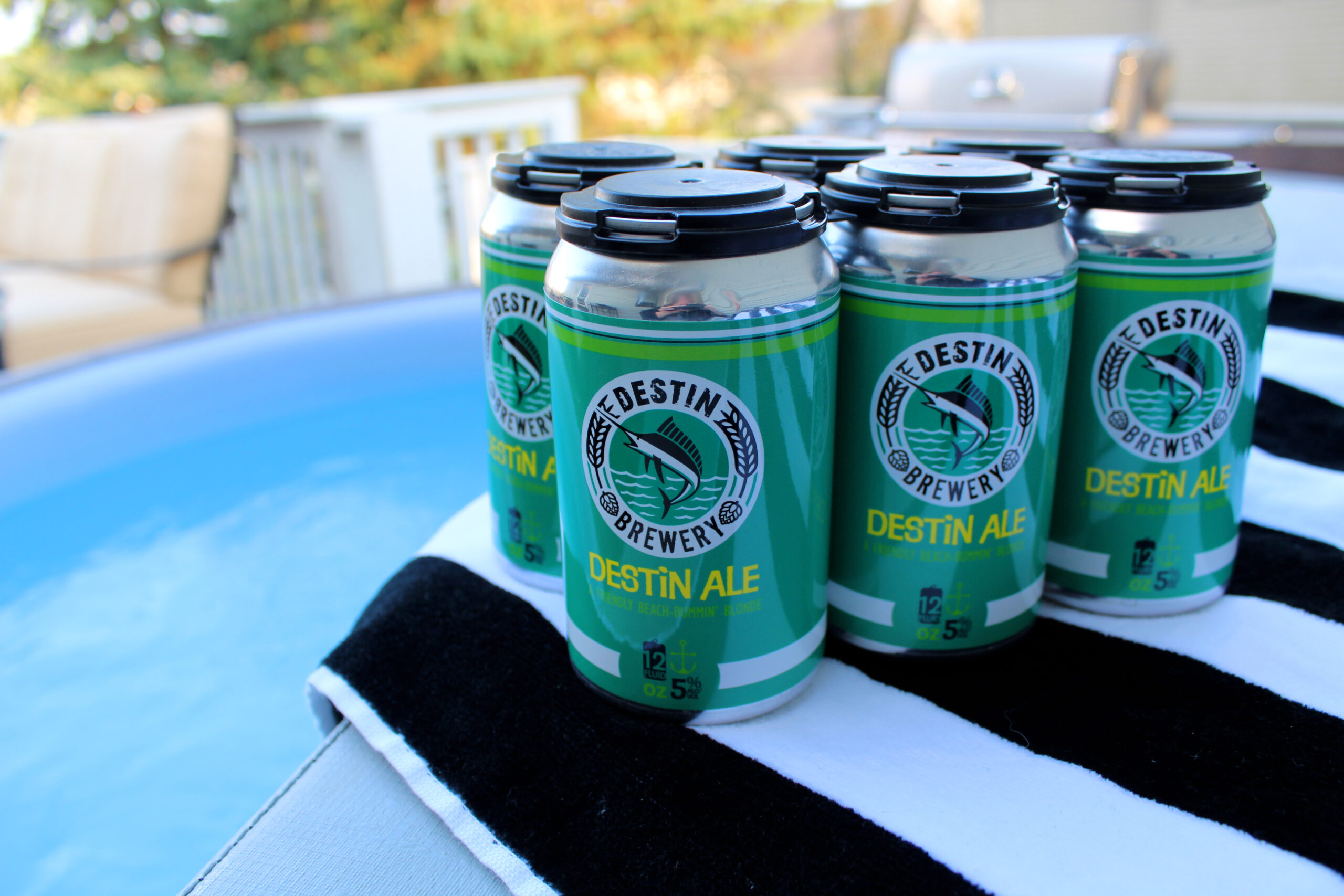
Consumables such as beach towels, local craft beverages and specialty food items are great options for someone who is not easy to buy for
Snowbird Gift Guide
75 Best Gifts, Souvenirs for Yourself and Your Home Team
Shopping for souvenirs, mementos, keepsakes and gifts is a process I start from the very beginning of my snowbird stay each year. By "very beginning" I mean as in "on the way" to our snowbird community. Small gas stations and gigantic travel plazas are fabulous opportunities to buy trinkets, novelty items, local specialty foods and regional logo products such as items related to area university and national sports teams. Many of my favorite lapel pins and baseball caps are from large and very small fuel centers.
Choose quality over quantity for gifts and souvenirs, such as a beautiful coin purse
French for a "remembrance or memory," a souvenir is any object that someone acquires, collects and transports home for the memories associated with it. Keep in mind, when giving a souvenir as a gift, etiquette suggests the amount spent on the item should not make the receiver feel uncomfortable.
To help strategize, I've compiled a list of my best ideas for souvenirs and gifts for loved ones and your home team, as well as yourself. If, like me, you're not really into shopping, it's so much easier to have a plan and pace yourself than to try to make a mad rush at the very end.
One of my favorite strategies is to find gifts in unexpected places such as the souvenir section of the local grocery store or convenience store. Baseball caps, t-shirts, costume jewelry and apparel are usually less expensive than the traditional surf shops, although many surf shops reduce inventory at irresistible prices in the off season. If you winter in a region with outlet stores, most of the luxury brands clear out their inventory in January with amazing deals such as 70% off + an additional 10% to 15% off select merchandise. I have a very nice collection of Coach wallets, purses and accessories thanks to the January sales. Adding a new Swarovski pen to my collection is another fun close-out pursuit.
Don't make the same mistake I did -- group all of your purchases together and go through each and every closet and drawer about a week before departing to make sure everything you bought comes home with you. This reduces the chances of leaving behind a drawer full of gifts and gives enough time to go through your list of who is getting what. If you need to add some last-minute items, it won't send you into full-on panic mode. As much as I try to shop for 80% of my list within the first few weeks of arrival, there's always one more thing to buy at the end.
Once home, most gifts are presented to recipients in a timely manner to show appreciation for the help while away or to let someone know you missed them. For items purchased way in advance of the occasion, such as Christmas, they are put aside in a designated area with a label of who the gift is for and the occasion when it will be given.
It's always nice to be thought of and let someone know you cared enough to buy something for them. Being surrounded by souvenir magnets, coasters, pens, apparel, hats, notepaper, books, wall art and much more connects me to my beachy southern home all year round.
75 GIFT GUIDE IDEAS
Overall, unless buying a gag gift, go for items that are high quality without necessarily a high price. One quality item is better than a bunch of lower end stuff. Take advantage of local specialties that not just everyone can pick up in your home state. Ideas include cactus jelly, orange blossom honey, pickled okra, fresh oranges and citrus fruit, art, hand crafted items and so forth.
Consider how much space you have to get your souvenirs and gifts home and whether they will perish. Baked goods may not work for everyone, although I have a friend whose mother insisted she bring cake from a local southern bakery back home to Indiana.
Our rental is known for rather tired-looking kitchen linens, so I buy beautiful new hot pads at the start of each snowbird season, use them during my stay, then bring them home with me. If your unit doesn't have the highest thread counts, buy new pillow cases at a discount store such as TJ Maxx, Marshalls, Tuesday Morning or Home Goods, use them while at your rental and take them home. I liven up our condo with seasonal flowers such as blooming hyacinth and tulips. When they are done, remove the bulbs from the soil, let them air out and transport them home in a plastic bag to later be planted in your yard.
Difficult to Buy For
For the person who is difficult to buy for, consider consumables such as specialty foods, beverages, candy, flowers, lotion, pens, upscale room spray, soap, stationery and so forth.
Younger People
For younger people, a high quality beach towel is fun without a huge commitment. Or a quality specialty food such as gourmet pasta or sauces, or perhaps a beverage that you know they might enjoy.
Long Distance
If someone at home is celebrating a milestone, send a thoughtful bouquet of flowers. They're fun to give and receive. Gift cards easily fit into an envelope to transport via mail, but since they function like cash, take photos of the front and back in case they are lost in transit.
Ask for Help
It's easy to be overwhelmed with choices when considering an appreciation gift for someone you may not know that well. Don't hesitate to ask a store employee for assistance. As an example, it's much easier to select a craft beer or local wine with professional help. After all, the employees know what's popular and can save a ton of time and mistakes choosing an item based on what a label looks like.
Gifts by Category
General gifts
Ash trays
Beach towels
Books
Coasters
Coin purses
Key chains
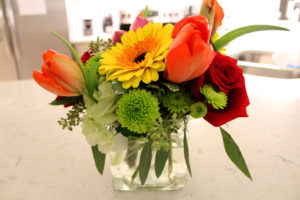
Thoughtful gestures such as a flower bouquet help bridge the distance
Lapel pins
Magnets
Shot glasses
Tote bags
Travel or coffee mugs
Leather Goods
Purses
Wallets
Wristlets
Jewelry:
Bracelets
Earrings
Necklaces
Rings
Watches
Personal Care
After shave
Beauty/Grooming kits
Cologne/Perfume
Lotion
Office
Note paper/stationery
Pens
Home/Kitchen/Bath
Air freshener
Blankets/throws
Candles
Diffusers
Hand towels
Hot pad sets
Kitchen gadgets
Linens
Pillows
Pillow cases
Photo frames
Soap
Soap/lotion dispenser sets
Food/Beverages
Cake
Candy
Champagne/Prosecco/Sparkling wine
Chocolate
Cocoa/hot chocolate mix
Coffee
Cookies
Craft Beer
Honey: wildflower, orange blossom, traditional
Nuts
Oils: specialty and infused
Pie
Popcorn: plain or chocolate/caramel, flavored, etc.
Preserves/Jams/Jellies
Snacks, especially if locally produced
Spirits
Tea
Wine
Plants/Garden
Bulbs
Floral arrangements
Plants: Greenery, orchids, etc
Seeds
Clothing/Accessories:
Hats/caps
Hoodies
Scarves
Shoes
Socks
Sunglasses
Sweatshirts
Swimwear
T-shirts
Zip-up athletic wear
Local Specialties
Art prints
Canvas art
Crafts
Pottery
More ideas
Gift cards
Photo prints
Photo frames
"Keep some souvenirs of your past, or how will you ever prove it wasn't all a dream?"
Architecture Tour of Stunning Alys Beach, Florida Renowned for Iconic Architecture, New Urbanism Movement If you’ve never experienced Alys Beach on the Gulf Coast of Northwest Florida’s panhandle in-between Panama City and Destin, I highly recommend it as a must-see while in the vicinity. Renowned …
Ivy Green Anne Sullivan and Helen Keller Master Bedroom The famous well pump The plantation’s cottage The cottage’s main room 150 year old gardens, the brown community building and the kitchen The Kitchen and Cook’s Quarters The Kitchen Museum room Ms. Keller’s first Braille typewriter …
Lives paused: the psychological and economical impact of the pandemic forced weddings, celebrations, travel and so much more to abruptly halt
The Impact of the Global COVID-19 Pandemic
45 Ideas for Snowbirds to Emerge Even Better than Before
Without a doubt, the month of March 2020 has been the most universally terrifying, anxiety-producing period of a lifetime for our entire planet since every world war that has preceded it. The ghastly global pandemic, COVID-19 informally known as Corona virus has shaken the world to it's core, bringing life as we knew it to a standstill. An unprecedented forced "pause" that has affected our lives, health, jobs, the economy and millions of families.
Traditional Heroes
For those who dutifully remain in self-isolation and quarantine, we worry not just about ourselves, but our loved ones who do not have the luxury of sheltering in place. These are the courageous, selfless souls on the front lines of the war against the macabre COVID-19 -- overcoming their fears and distancing themselves from their own families to serve the greater good. As a society, we easily recognize and honor the traditional (super) heroes who long ago committed their lives to serve as doctors, nurses and health care providers, first responders, law enforcement and the military.
Everyday Heroes
With the onset of the global COVID-19 pandemic, there are now newly recognized "everyday" heroes of this unprecedented battle. These are the grocery workers, restaurants/food service, pharmacies, scientists, utility workers, truck drivers, shipping companies, delivery services, manufacturers, suppliers, bankers, communication companies, postal employees, fuel centers, farmers, caregivers, transportation companies, retailers, veterinary professionals, personal shoppers, sanitation workers, the death care industry and the list goes on. These people in essential industries have been here the entire time, except it took a horrific global pandemic before the previously unsung workers and industries have ever received the much-deserved public acknowledgment of the work they do.
Unfathomable Loss
No matter who we are, how much we have or where we live, we are all significantly affected by the COVID-19 pandemic. We are forever changed. Hundreds of thousands of lives have been lost and yet there are thousands more to pass with the almost unbearable thought that the innocent victims spent their last days suffering without their loved ones by their side. This is why it is up to the rest of us to honor these victims, a large majority who are members of "The Greatest Generation."
Yes, we mourn the loss, not only the innocent human lives, but also the loss of life as we knew it. The abrupt shuttering of schools, social gatherings, sports and live entertainment events, weddings, conventions, parties, celebrations, vacations/travel, graduations, business functions and funerals. Important milestones of our lives have been lost entirely and/or put on hold indefinitely. For many, we are also mourning the demise of small businesses, jobs and financial loss.
Emerging Hope
Throughout the awful reality of a deadly global pandemic that will not reach it's apex for quite some time, it has been heartwarming to witness random acts of kindness during this very difficult segment of world history. These are large and small gestures of love, hope, faith, humanity and a greater good that will triumph over such a devastating disease. Thank you to all of our traditional heroes and everyday heroes for your priceless work, day in and day out throughout your lives. Words aren't nearly enough, yet words and actions do matter.
I also salute the grandparents, parents and adults doing everything they can to strengthen their connections, retain their sanity and lighthearted sense of humor while hiding their fears and keeping a sense of normalcy for the children and young people. Neighbors looking out for each other. Educators, clergy members and mental health professionals are adapting from serving in person to a new way via modern technology. Last, but not least, may we collectively support and pray for our global leaders, as well as state and local leaders who are undergoing the most unimaginable stress as they try to navigate the worst humanitarian health crisis of more than 100 years. May we all stay strong, resilient, change for the better and ultimately emerge triumphant. God Bless.
45 Ideas for Snowbirds to Emerge Even Better than Before
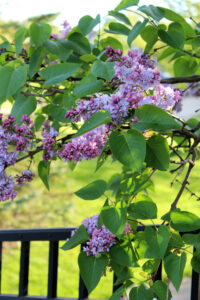
The gorgeous Spring lilacs in my garden bring hope during difficult times
Among my personal snowbird friends, as well as accounts I've read online, everyone has their own personal stories regarding the COVID-19 pandemic. As the daily news increasingly warned of the COVID-19 virus unrelentlessly spreading from overseas to the United States, it coincided with the end of snowbird season and the beginning of Spring Break. We returned home in early March as planned per our regular schedule, which is when the mandatory self-isolation orders were implemented in our state, plus many others.
Shortly thereafter, beaches, restaurants and pools closed, as well as festivals, recreational, entertainment, religious and social activities within thousands of communities. Non-essential retail stores, businesses and gyms closed. Groups of 500, then 250, then 10 and finally no one outside one's own household were recommended. RV parks cancelled all social events and locked up the pools and community rooms. Short term rental properties asked tenants to leave and future guests not to arrive. Of the essential businesses that remained open, they were quickly stripped bare of food and staples. Snowbirds in their beloved southern communities were forced to ask why stay when the primary joys of one's southern climate are shuttered?
Many snowbirds who own their park model or southern home cut short their time away and returned to their northern home at the insistence of travel advisories and concerned loved ones. Yet other snowbirds continued to stay through March as planned, but then went straight home. Snowbirds who were able to do so, cancelled previously arranged flights to drive home rather than take unnecessary chances flying. International snowbirds faced the difficult decision of whether to shelter in place or try to return home before borders close and/or they no longer have the option to fly.
The common thread: take shelter, re-stock essential supplies, hunker down and keep your mind and body busy.
Future plans, not only this year, but next, involving international and domestic travel will affect snowbirds, particularly snowbirds who already scheduled and paid for their tours and accommodations. One of our close snowbird friends had long ago booked several pre-packaged international trips to Europe and the Holy Land for Summer and Autumn of 2020, as well as domestic travel. For my friend and her travel companions, this now creates a huge void of uncertainty with many decisions to be made within a relatively short time.
Carefully check contracts and know what can and can't be done to remedy your travel plans. More importantly than the financial consideration of whether to go is the safety for one's health. Ultimately, the answers will emerge, no doubt not without great anguish of an opportunity lost or worrying about what will happen by moving forward with plans.
Please remember, you know your circumstances best and should take every precaution to be overly careful during the current global health crisis. That includes your physical and mental well-being. This is not the time to be tough, it's more important to be abundantly cautious and listen to the experts.
I've always loved the mid-century portrayal of middle class life in the United States. It was an era before I was born, but sitcoms and movies have preserved the simpler times of life in the 1950's. Neighbors talked over fences; grew their own food; families ate home-cooked meals, conversing together at the dinner table and spent evenings playing board games. Young people enjoyed their free time outdoors and interacting with one another. Religious services, Sunday dinners and Sunday drives were the norm. This is the same kind of upbringing I was fortunate to have. It's also what my husband and I strive for in our personal lives long before and during the self-isolation. Ironically, the global COVID pandemic is bringing our society back to a simpler life and the core family unit.
As we all navigate the unchartered social climate of life within a rapidly changing pandemic, I've compiled some ideas to help snowbirds not only get through the crisis, but emerge even better than before.
Stay calm
Discuss and agree to the level of risk-reward that is acceptable to you, your spouse or partner and your household
Establish Plans A, B, C and D
Stay the course, don't let up
Set new goals
Be vigilant, diligent
Establish new routines, yet maintain normalcy as much as possible
Take advantage of online ordering, personal shopper and delivery services
Allow yourself to grieve your personal losses
Help others grieve their losses and eventually formulate new solutions
Be kinder and more understanding
Keep connections, stay in touch
Listen to others without judgment, empathize with them
Support local businesses
Reinvent social plans
Tackle a new project
Sort, then donate unused items and/or money to charities
Use humor to lighten your load
Reach out to help someone else
Appreciate what you have, clean and shine it up
Adopt or foster a pet and/or give extra attention to your existing pet/s
Participate in new ways: attend online religious services, classes, book clubs and business webinars
Let go of things that don't matter
Enjoy the simple things: cooking, conversation, walks, hobbies
Realign your financial objectives, budget and expenditures
Plant a potted plant garden or traditional garden to cultivate and nurture
Exercise outdoors and within your home on a regular basis
Pay it forward and other random acts of kindness
Do the same things in new ways
Clean, organize, repair, restore
Order prints of favorite digital photos, then send them to loved ones
Increase your compassion for others, forgive yourself for your own faults
Document your emotions in a journal
Listen to relaxing music
Be informed of current news topics, yet limit exposure to the 24/7 news cycle
Rearrange your furniture and accessories, make your home look and feel different, better
Read books and magazines dating prior to the current pandemic
Stay positive, look for the silver linings, put negativity aside
Learn something new
Write letters, send cards and care packages
Take the opportunity to sort, purge, clean out closets and forgotten areas
Volunteer
Pray, meditate, take refuge in spirituality
Seek professional help if needed
Make future plans
"Where flowers bloom, so does hope."
-- Lady Bird Johnson, 36th First Lady of the United States
Southern Cuisine: Sandestin Gumbo Fest Northwest Florida’s Premier Winter Food Event The heart and soul of Southern culture that brings everyone together is food. Food is love. Food is tradition. Food is celebrated. Gumbo is one of the most beloved foods of the Gulf Coast. …
Plan your travel bags so each person knows exactly how much space they are allotted for clothing, kitchen, bath, office and pet/s. Snowbird Packing and Prep Four Week Timeline Snowbird Checklists for Leaving Home Snowbirds have a dual goal prior to departure: not only packing, …
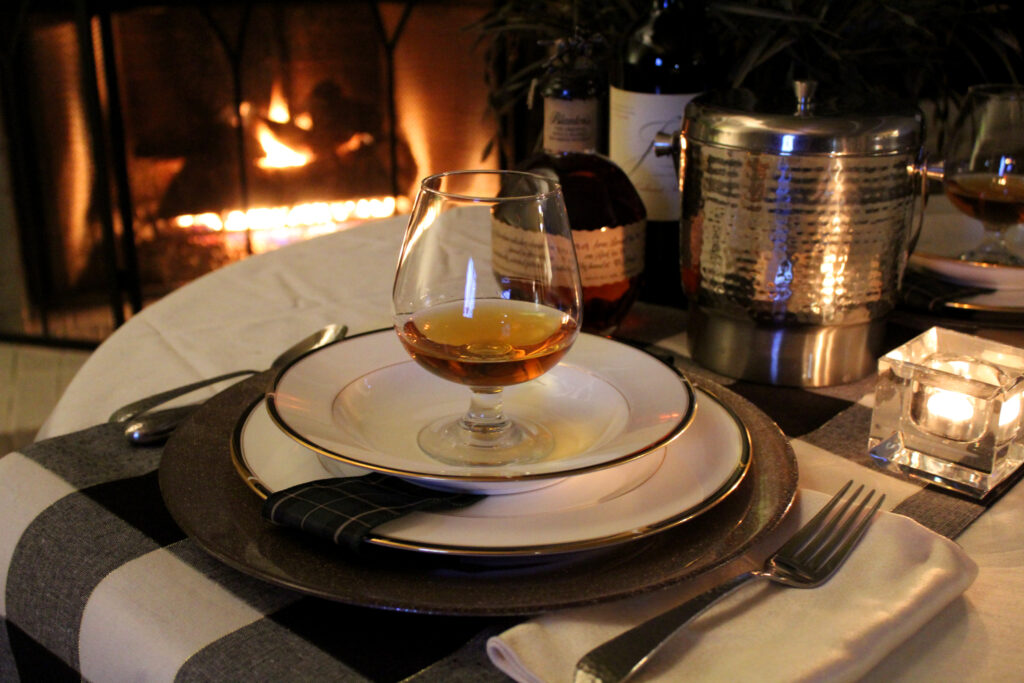
Burns Night is a historic Scottish dinner celebration that can be adapted to a cozy, romantic dinner on a dark chilly winter night
BURNS NIGHT
Romantic Scottish Dinner Celebration
I had never heard of Burns Night until reading a chapter in a European book featuring Burns Night as part of a "year of festivities for families and friends." I have to admit, my first impression of Burns Night was that it's a romantic dinner for two in front of the fireplace on a cold winter night. Burns Night is actually a historical celebration of the life of Scotland's widely revered national poet
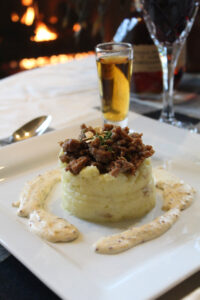
Try a traditional Scottish comfort food entree of mashed potatoes and turnips, served with whiskey gravy. The crumbled sausage emulates haggis
and lyricist, Robert Burns, whose most famous work is "Auld Lang Syne," published in 1788. The traditional Scottish Burns Night celebration centers around the poetry of Robert Burns, whiskey and a main course of haggis with mashed potatoes and turnips. My simplified American version of Burns Night features a warm, cozy ambiance, a menu honoring Scottish comfort food and a nod to the history and influence of Robert Burns. Burns Night is perfect for snowbirds with a menu of simple ingredients steeped in tradition and offers an interesting alternative to the typical date night or dinner party.
A few observations of the authentic European Burns Night celebration compared with my
Americanized version. The proper celebration is held on or near Robert Burn's birthday, January 25, but my take is go ahead and host Burns Night anytime during the winter. Setting up a small table next to the glow of a warm fireplace and having a relaxing meal for two or more people is not only romantic, but memorable and distinctive. If no fireplace is available, improvise by placing the table in a cozy corner of your living room. The point is to not sit at your regular dining room table to get a new perspective, as if dining in a quaint restaurant. Scottish plaid tartans, dim warm lighting, a white tablecloth and napkins, flowers or greenery and flickering candlelight make a charming ambiance. Creating an unusual backdrop appealing to all senses is key to emulating the feel of the Scottish Highlands. Why not create your own Burns Night in the midst of the December holidays, on New Year's Eve, an anniversary or any special occasion when darkness falls early on chilly winter nights.
Your menu should offer several courses and closely resemble the simply delicious traditional comfort food of Burns Night, of which haggis is always, always the focal point. After all, Burns' poem, "Ode to a Haggis" is traditionally read aloud to guests when the haggis is ceremoniously brought to the table by the cook, accompanied by a lone bagpiper or Scottish music, which is referred to as being "piped in."
Haggis is a Scottish delicacy composed of minced sheep organs, oatmeal, onions and seasonings stuffed in the lining of the intestine. Because Americans are typically less comfortable eating organ meats and more importantly, because haggis is impossible to buy in the United States (unless you have access to sheep lungs, which are banned from sale), my version of the Burns Night entree features a soup course, then sausage, mashed potatoes and turnips with a whiskey cream sauce, plus a berry parfait for dessert. It takes time to get accustomed to the Scottish terms and unfamiliar food combinations, so don't let it put you off. The meal truly tastes amazing!
A few facts about Burns Night -- it was first held in 1801, five years after Robert Burns passed. Classic celebrations may be elaborate, loud and festive with many guests or quite intimate and cozy. The meal starts with a prayer of Burns' poem, "Selkirk Grace." The haggis is "piped in" with pomp and circumstance, then a whiskey toast is made to the haggis -- which is why a shot of whiskey is presented on each dinner plate. Apple juice is a good alternative to serving whiskey with this meal. Burns' poetry, songs, dancing and toasts to the lassies and lads are central to the authentic celebrations, which always end with guests joining hands and singing Auld Lang Syne.
Creating your own version of Burns Night may be inspiring to learn more about Robert Burns, his poetry and Scottish culture and cuisine. I adapted my recipes from the simple, yet rich recipes on page 164 and 167 of Pippa Middleton's book, "Celebrate: A Year of Festivities for Families and Friends."
Burns Night Menu
Authentic Burns Night Menu
Scotland's most famous soup is amazing with a creamy thin broth, cod or smoked haddock, leeks, sweet onion, Yukon Gold potatoes, corn
2 cups Yukon Gold potatoes, unpeeled, quartered, then halved
1 1/3 cups turnips, peeled and quartered, then halved
6 T. unsalted butter
1/4 cup half and half OR fat free half and half
1 t. garlic salt
1/4 t. fresh cracked pepper
1/4 t. dried parsley or 1 T. fresh parsley or chives (garnish)
PREPARATION TIP: It may seem simpler to cook the turnips and potatoes in the same pot, then mash with an electric mixer. However, I tested the process both ways and it does make a difference in texture to follow the recipe exactly as written: boil potatoes and turnips in separate pots, then mash each separately with a fork by hand. I prefer the method as shown here.
Preparation
Peel turnips and cut into quarters, then in half.
Cut unpeeled Yukon Gold potatoes into quarters, then in half.
Bring two separate medium pots filled 2/3 with water and a pinch of salt to a boil over high heat.
Add cut turnips to one pot and potatoes to the other pot.
Reduce the heat and boil both vegetables until fork tender, approximately 20 to 25 minutes.
Drain the water from potatoes and turnips, keeping each vegetable separate from the other.
Add half and half to the potatoes.
Add butter to the turnips.
Mash the potatoes with a fork. Repeat for the turnips. The texture can retain some chunkiness and doesn't need to be pureed.
Gently combine the potatoes and turnips into one pot. Stir in seasonings and keep warm.
Sausage Crumbles
Ingredients
12 oz. package sausage (seasoned or plain)
1 shallot, minced
1 t. fennel seeds
3/4 t. garlic salt
1/4 t. fresh cracked pepper
Optional: garnish with one tablespoon toasted oatmeal (in a nod to haggis) and dried or fresh parsley
Preparation
Toast oatmeal in a small sauce pan over medium heat until golden brown. Stir frequently, remove from heat, set aside in a small dish and let cool.
Saute crumbled sausage in medium skillet until browned. Drain excess grease. Add seasonings and minced shallot, stir until combined and shallots are softened. Remove from heat and keep warm.
Whiskey Gravy
No fireplace? Set up a table in a cozy corner with an emphasis on tartan plaid and various textures plus flickering warm low lighting
Ingredients
2 T. whole mustard
2 T. whiskey
2 T. butter
2 T. flour
3/4 cup half and half OR fat free half and half
1/2 t. garlic salt
Preparation
Gently heat whiskey over low heat in small saucepan until alcohol evaporates.
Add butter and flour, whisking until smooth.
Add seasonings and whole grain mustard, whisking until combined.
Stir in half and half in small batches and whisk until smooth.
If available, use a chef's ring to hold the shape of the potato-turnip mixture. Place chef's ring on a plate, then scoop mashed potatoes-turnips into the chef's ring and fill to the rim.
Pull chef's ring up above the edge of the mixture and scoop sausage mixture on top.
Garnish with toasted oatmeal and parsley or chives.
If not using a chef's ring, place a portion of mashed potatoes-turnips on the plate, top with sausage mixture and garnish with toasted oatmeal and parsley or chives.
Spoon whiskey gravy in a circle around the edge of the mashed potatoes-turnips.
Add a shot of whiskey to the plate.
Repeat for each serving.
Serve warm - don't forget to toast the "haggis"
Servings:
Two or three -- there may be extra sausage crumbles and whiskey gravy
Serving Suggestion:
--As the main course for Burns Night
--Main course for lunch or dinner
Equipment List:
--two medium pots
--one small sauce pan
--one medium skillet
--colander
--whisk
--measuring utensils
--cutting board
--knife
--fork
--spatula
--A 3" diameter chef's ring is recommended for stacking the entree, but not required
"My heart's in the Highlands, my heart is not here,
My heart's in the Highlands, a-chasing the deer;
Chasing the wild-deer, and following the roe,
My heart's in the Highlands, wherever I go."
--Robert Burns, Scottish Poet and Lyricist, 1759 - 1796
Chef Patrick Whetstone expertly demonstrated elegant hors d’ oeuvres for the community cooking class Thick cut candied bbq rubbed bacon topped with garlic sauteed shrimp and fresh minced chives Beautiful bite sized purple potato salad bites stuffed with mustard aioli, hard boiled egg, bacon bits …